

Audio By Carbonatix
When Pete Salaz revives RedMonkey this weekend, it won’t be just another night behind the decks for the veteran Phoenix DJ. The beloved dance party, a house music institution that lit up Valley clubs for decades, is making a long-awaited one-off return on Friday, Feb. 27.
For Salaz, an esteemed figure in Phoenix nightlife, RedMonkey’s return offers a chance to extend his legacy. For local rave-scene lifers, its a reunion years in the making.
“It has to do with my personal journey and not wanting to just fade off into the sunset,” Salaz says. “People kept telling me how they’re nostalgic for RedMonkey and asking if I’d bring it back. Certain things clicked, and I took it as a sign that it was maybe ready for another shot.”
RedMonkey first launched in 1996, back when electronic dance music and rave culture was surging in Arizona. True to its origins, the party several cues from that era.
RedMonkey’s revival unfolds inside an undisclosed warehouse, with the location revealed only hours before. The 411 drops via an old-school infoline, similar to raves of the ’90s and 2000s. Admission is $25 at the door, cash preferred.
Like many raves of that era, the lineup goes beyond DJs. Live performance and movement are part of the mix.
House music anchors the night. California DJ and producer COFLO headlines, with Salaz and DJ Santos performing a back-to-back. Luis “Javi Star” Egurrola, choreographer for the Phoenix Mercury’s hip-hop squad, adds a live dance element with his performance.
Salaz says the revival intentionally leans into nostalgia.
“I wanted to do things very old-school,” he says. “Everything these days is pre-sales and advance tickets. I wanted to keep the location secret so you don’t find out until the day of the party. It’s in the warehouse district of downtown Phoenix, and it just reminds people of the old days.”
That longing has been building for nearly a decade. The last RedMonkey went down over Thanksgiving weekend in 2017 at Monarch Theatre, the recently closed downtown nightclub Salaz co-owned with longtime collaborator Sean “Senbad” Badger.
But RedMonkey’s history stretches back much further.
The party spun out of Chupa!, an early ’90s underground dance venue Salaz launched with Eddie Amador and other local DJs in downtown Phoenix. (The spot was jokingly billed as the “club which never sucked so good.”)
The first RedMonkey was a one-off at Riverbottom Lounge, the now-demolished dive bar on 16th Street.
“Chupa! ended and I was left wondering what to do next,” Salaz says. “We’d used Riverbottom before, so I threw an event there. I called it Monkey because I didn’t have anything else, added red because I liked the color, and it stuck.”
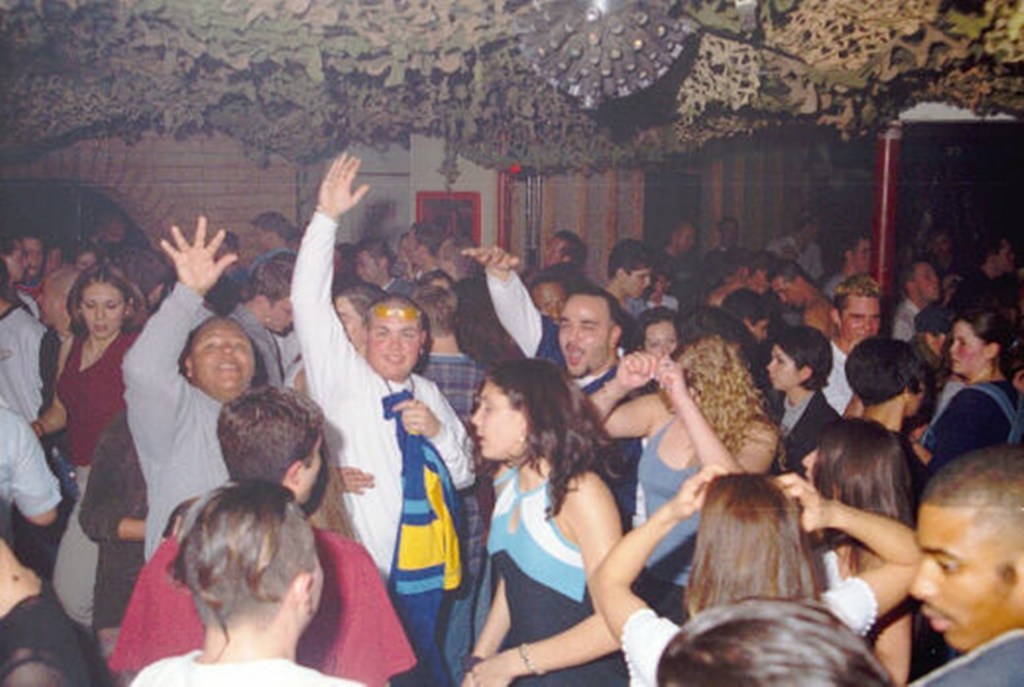
Salaz and other local DJs spun different shades of house. What began as a weekly soon shifted to a more sporadic run, but momentum kept building. The roster of local selectors grew, and so did the camouflage netting draped around the room.
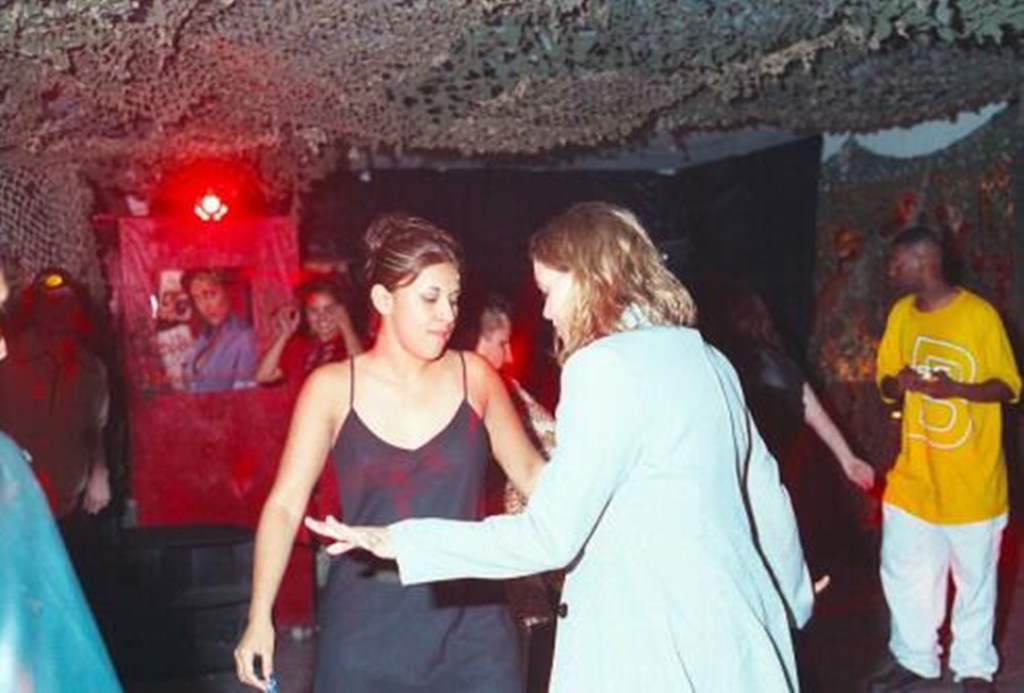
At first, the camo served a practical purpose.
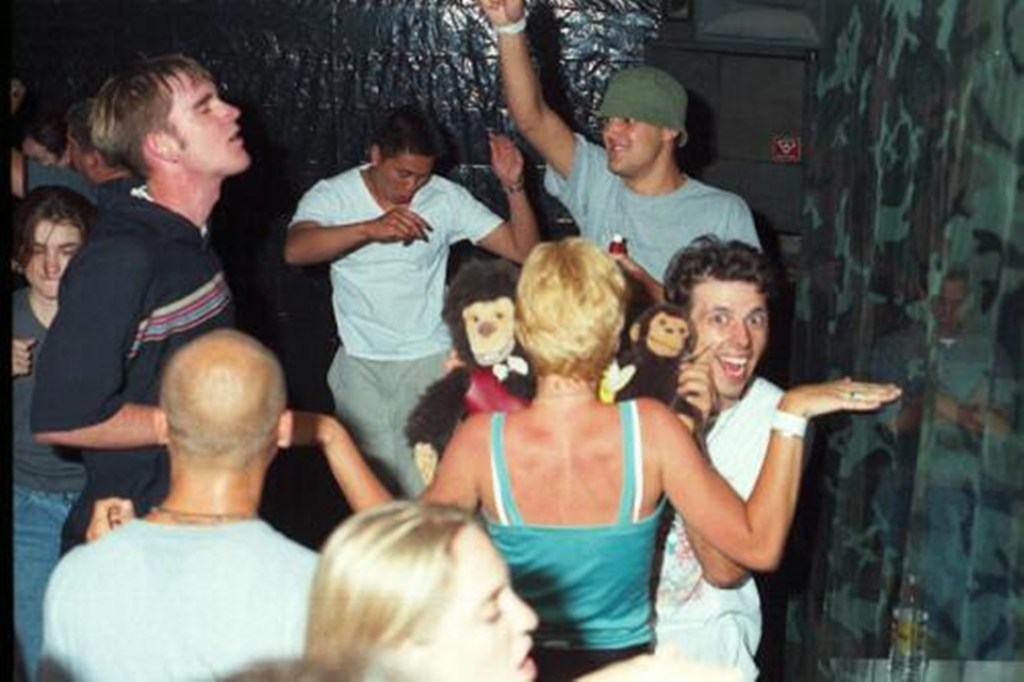
“Riverbottom Lounge had this low ceiling that wasn’t very sightly, so it was covering things up,” Salaz says. “And then it took a life of its own. Every time I did another RedMonkey, I added more and more. It gave it a jungle feel.”
RedMonkey was embraced by local ravers and house music fans. Salaz says because it offered different vibes than Scottsdale and Tempe clubs.
“People who loved house music found it,” Salaz says. “It wasn’t in the midst of Scottsdale or Tempe and nothing was going on in downtown Phoenix back then.”
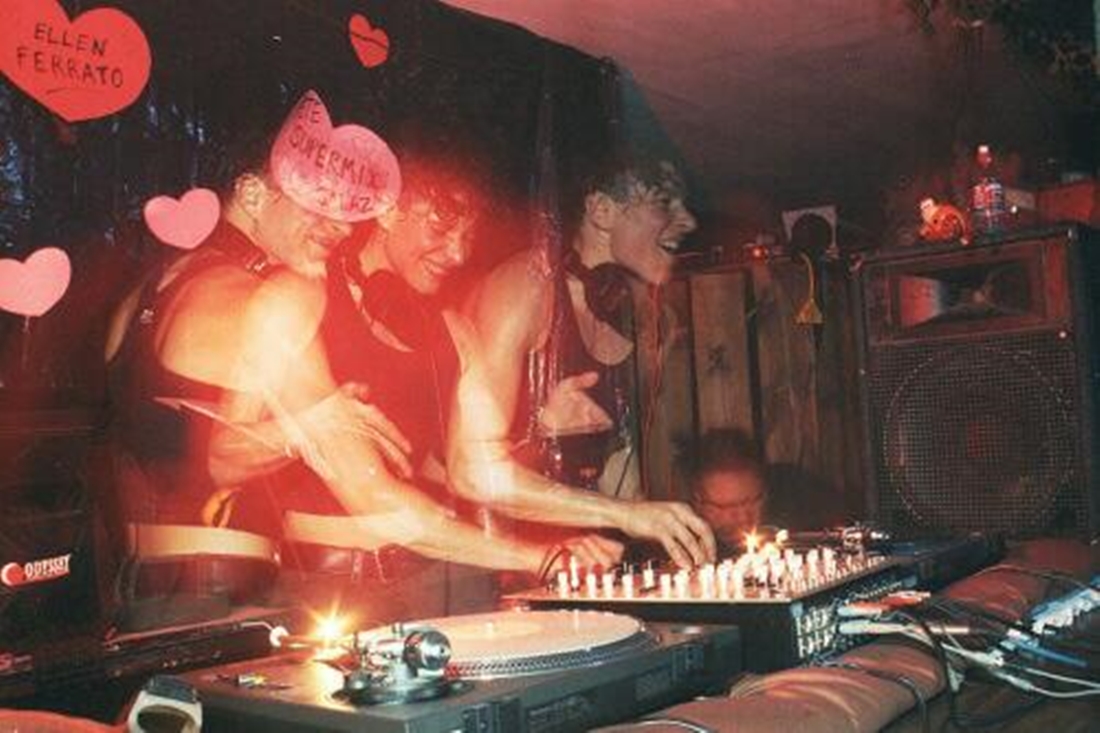
As RedMonkey’s popularity grew, Salaz began booking bigger-name house DJs and producers from out of town, including Marques Wyatt and Ellen Ferrato.
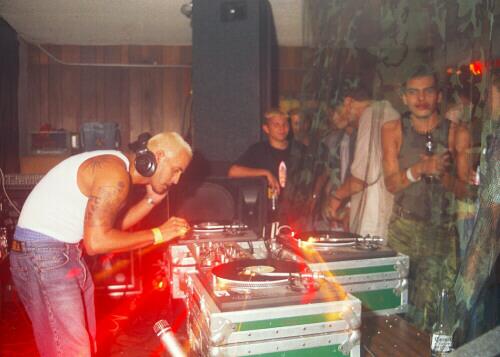
After Riverbottom changed hands in the early 2000s, RedMonkey moved to other Valley clubs, including Homme Lounge in Phoenix and Insomnia in Scottsdale.
By the late 2000s, it scaled back to a few editions a year. Salaz had launched Solstice Saturdays with Badger and later took over Bar Smith in 2009 before opening Monarch Theatre in 2012. Rather than compete with his own Saturday nights, he shifted RedMonkey to holiday weekends where 500 people or more attended.
“I wasn’t going to throw RedMonkey against my own night,” Salaz says. “So I started doing fewer of them and chose Thanksgiving and Memorial Day.”
Salaz pulled the plug on RedMonkey in 2017 as crowds began to thin.
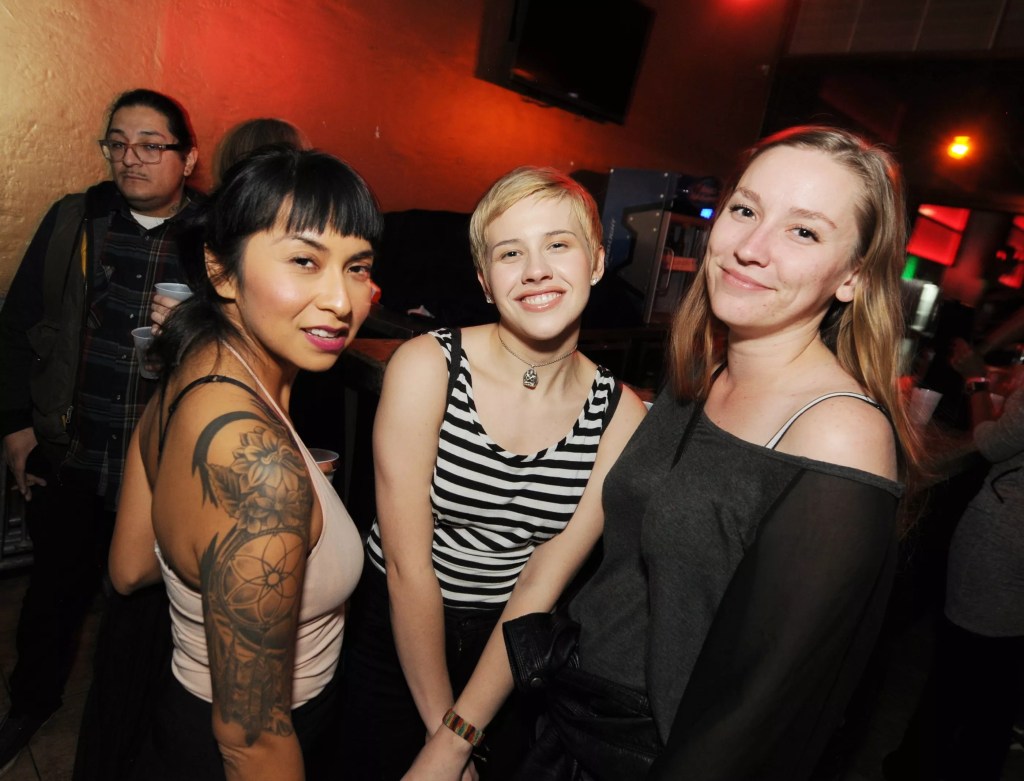
Benjamin Leatherman
“The numbers were dropping more and more,” he says. “I didn’t want to be that boxer who stayed too long. I wanted people to remember it with fondness.”
Then something shifted over the next decade. When Salaz announced RedMonkey’s return in December, the response was immediate and intense.
“It’s receiving a lot of hype, and I know a lot of people are flying in from different parts of the country,” he says.
The revival also carries added siginificance for longtime EDM fans still reeling from the recent closures of Bar Smith and Monarch, the downtown clubs Salaz owned for more than a decade.
“I never would’ve hoped that it would’ve turned out that way,” he says. “We always knew someday everything would end, but when it actually does, it still hits hard. It’s creating a funneling effect where people are going, ‘Maybe we kind of took Solstice or Monarch for granted. We better not take RedMonkey for granted.’”
As for what happens after Friday, Salaz isn’t making promises.
“I’m not looking beyond this one date. It could be the last one. I really don’t know,” he says. “I’m never going to say never.”
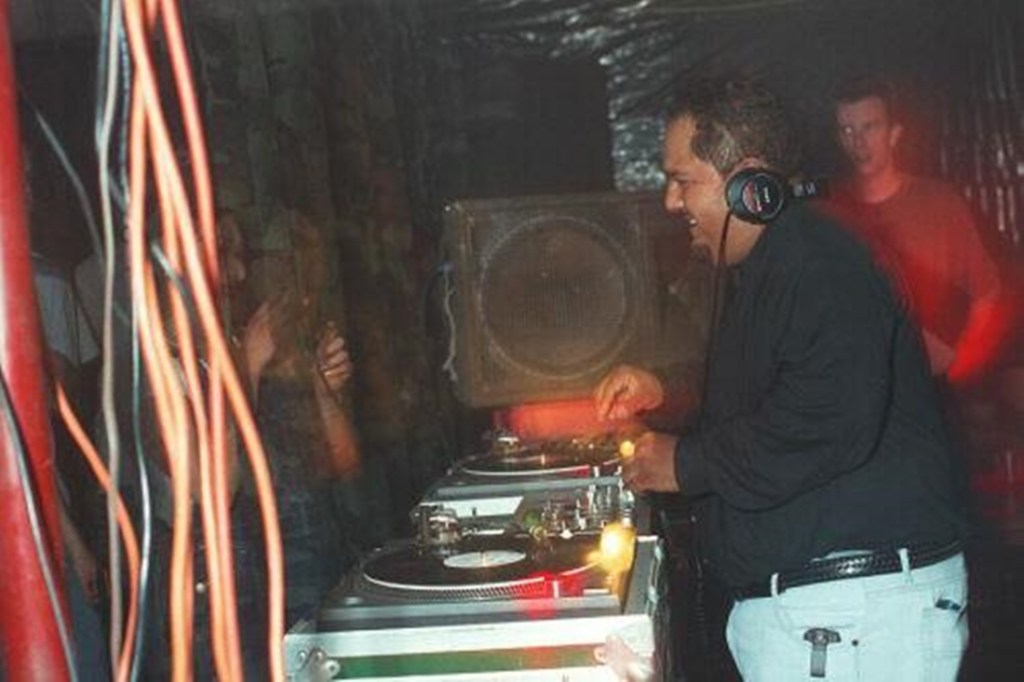
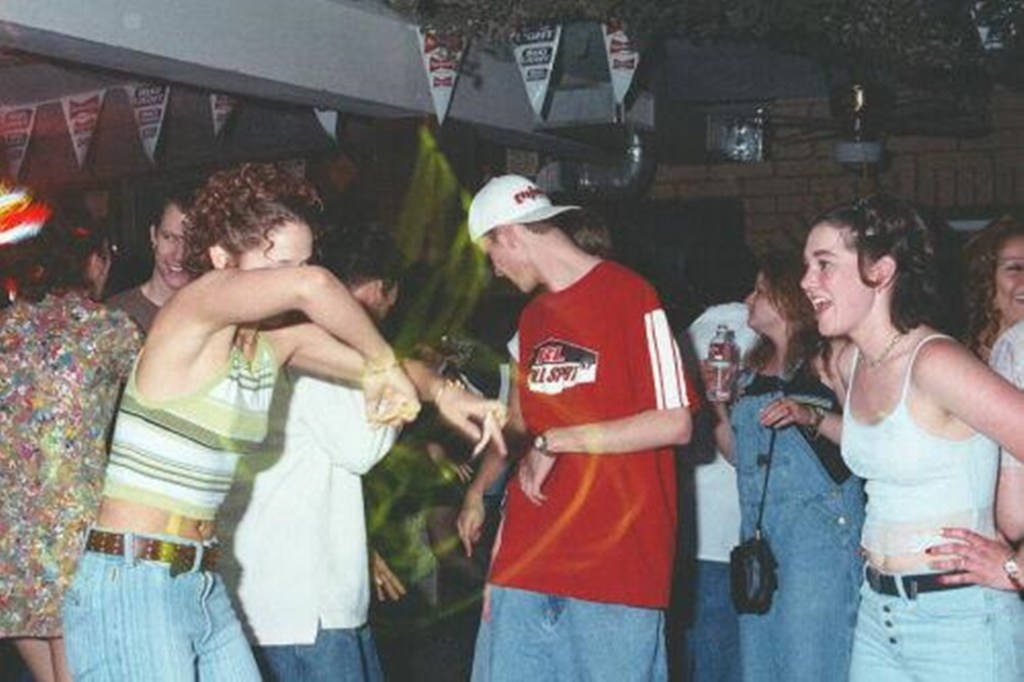
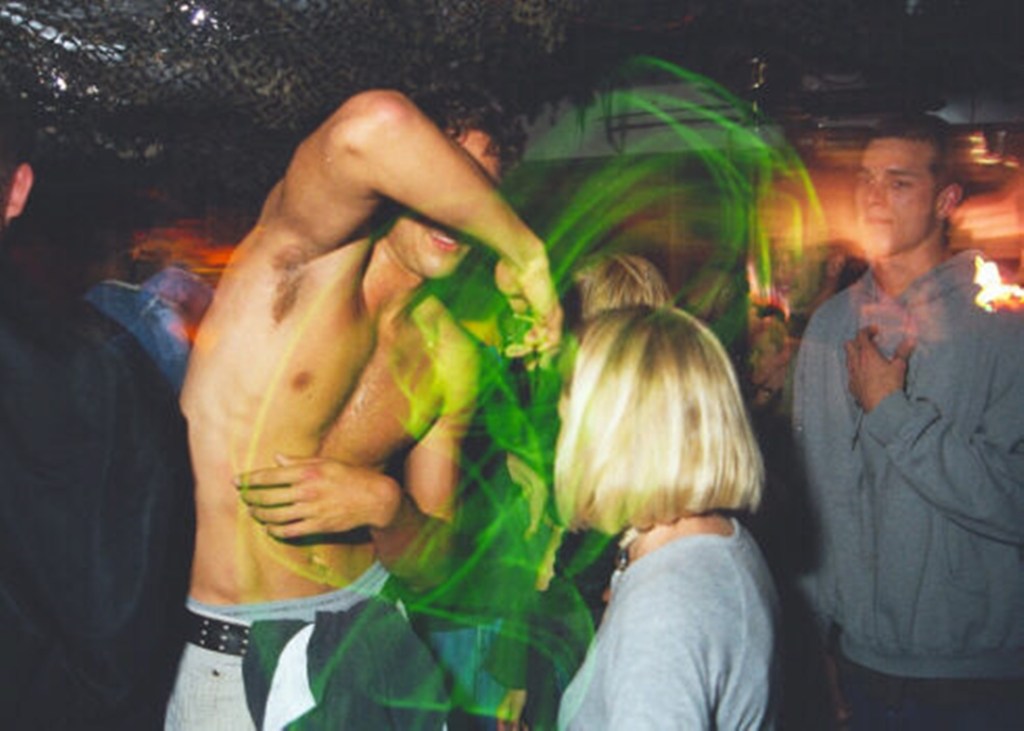
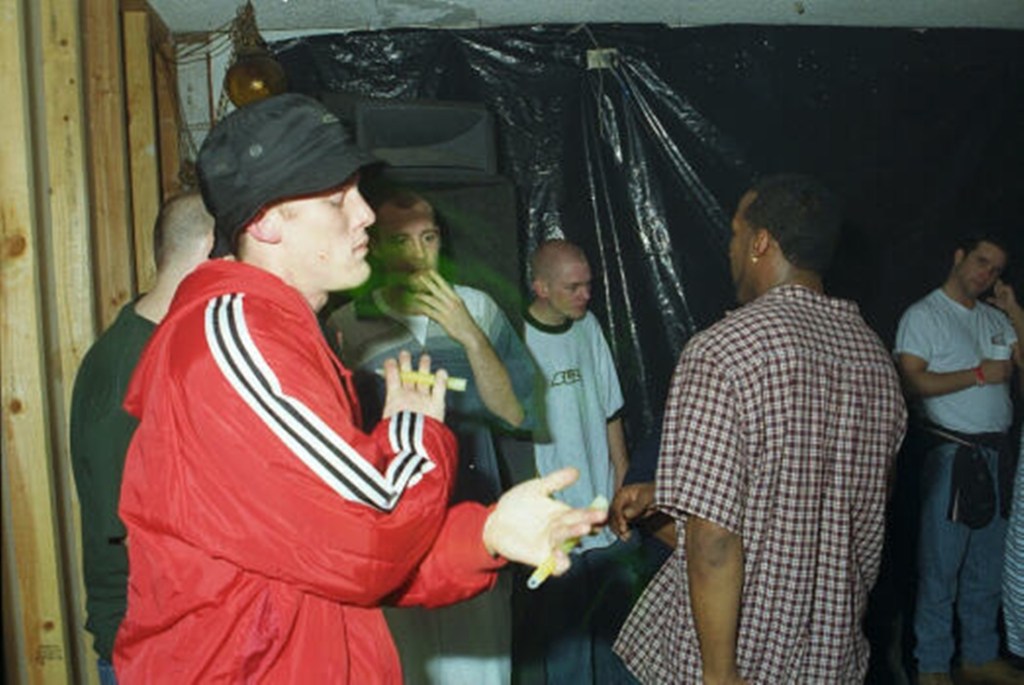
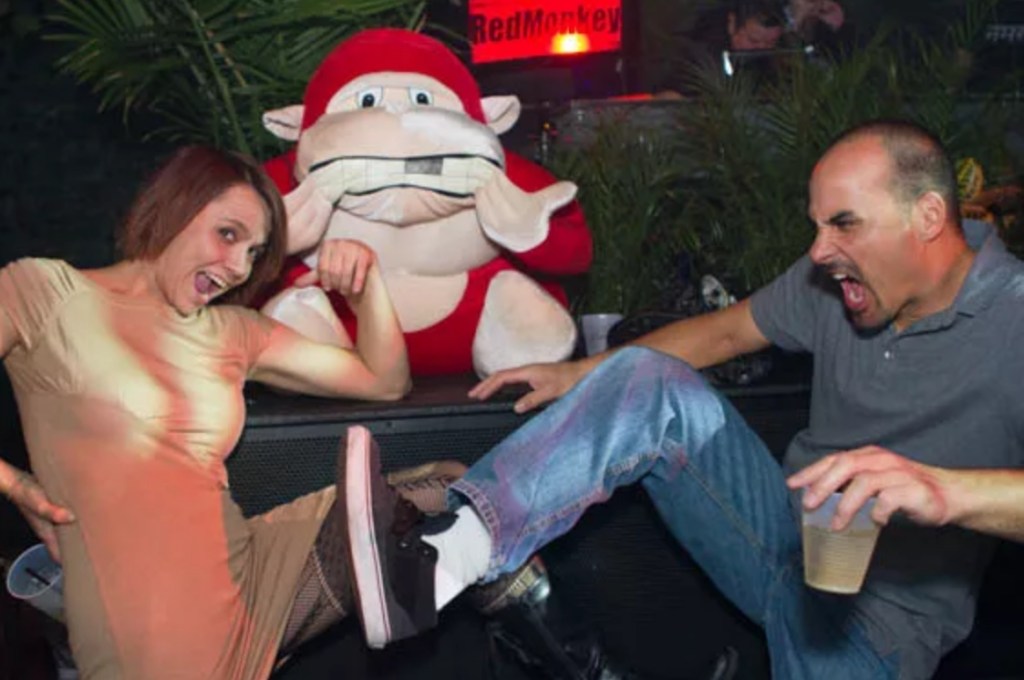
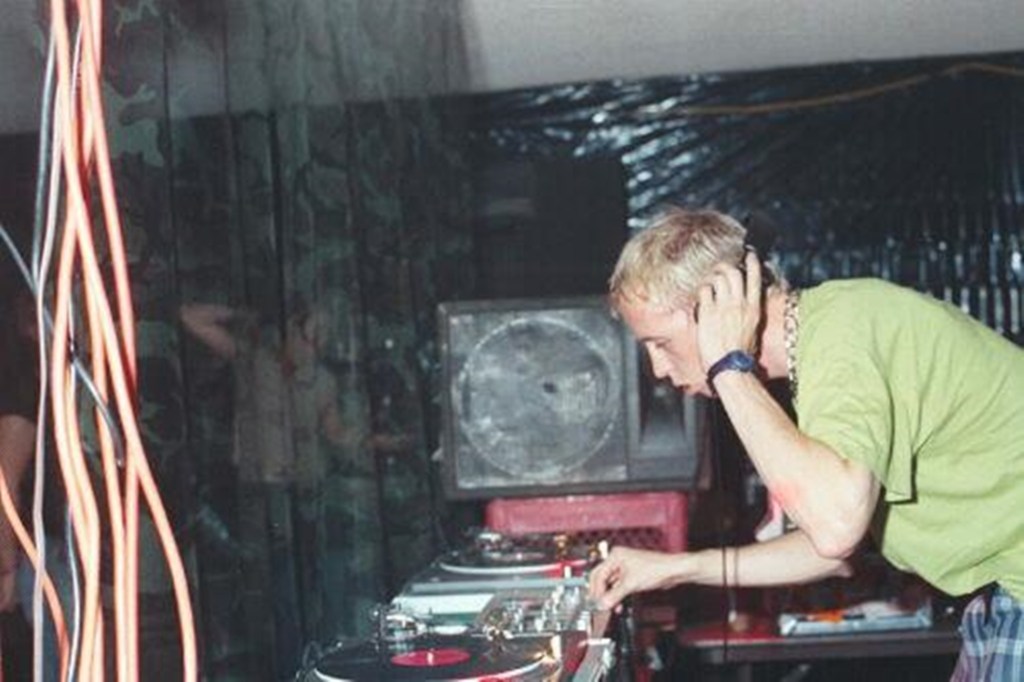
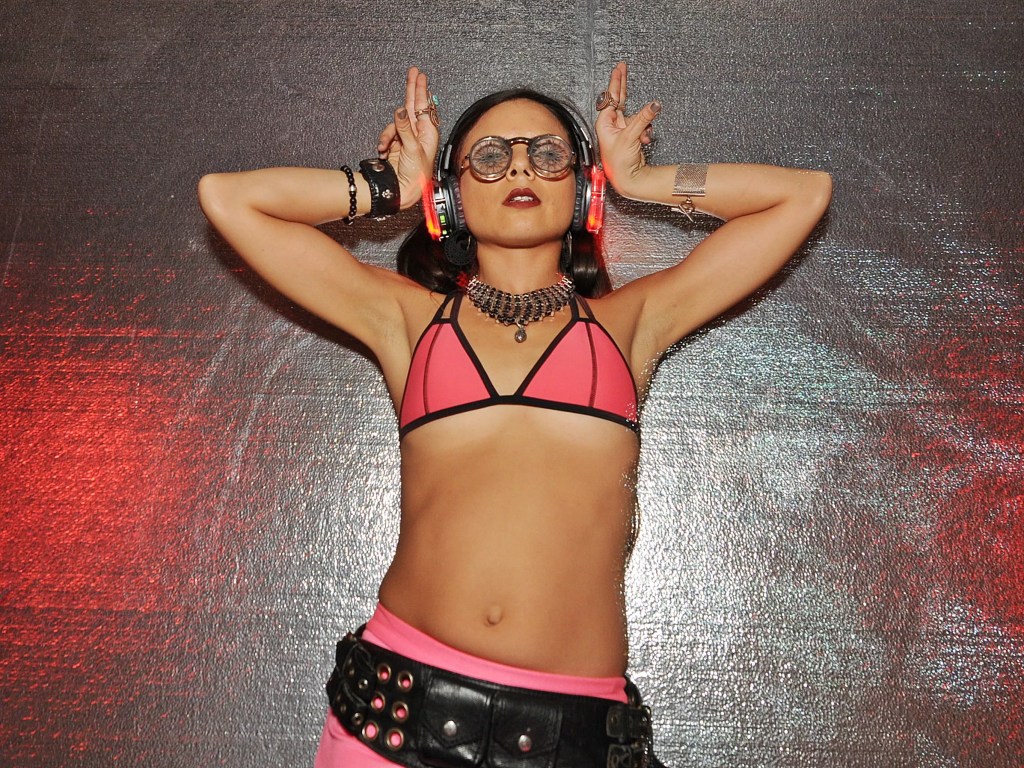
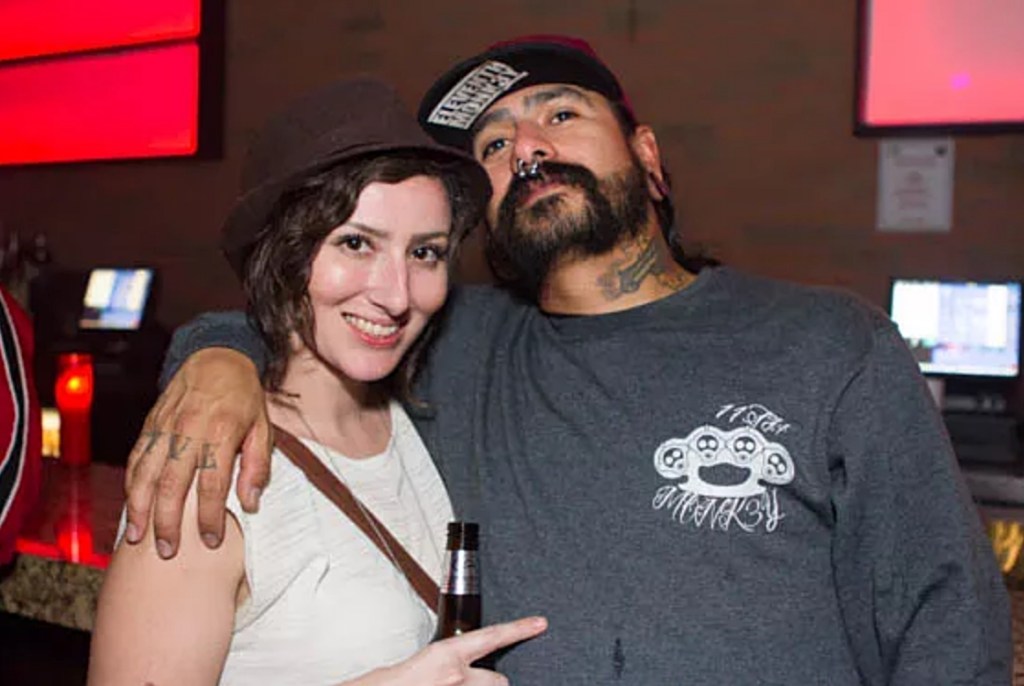
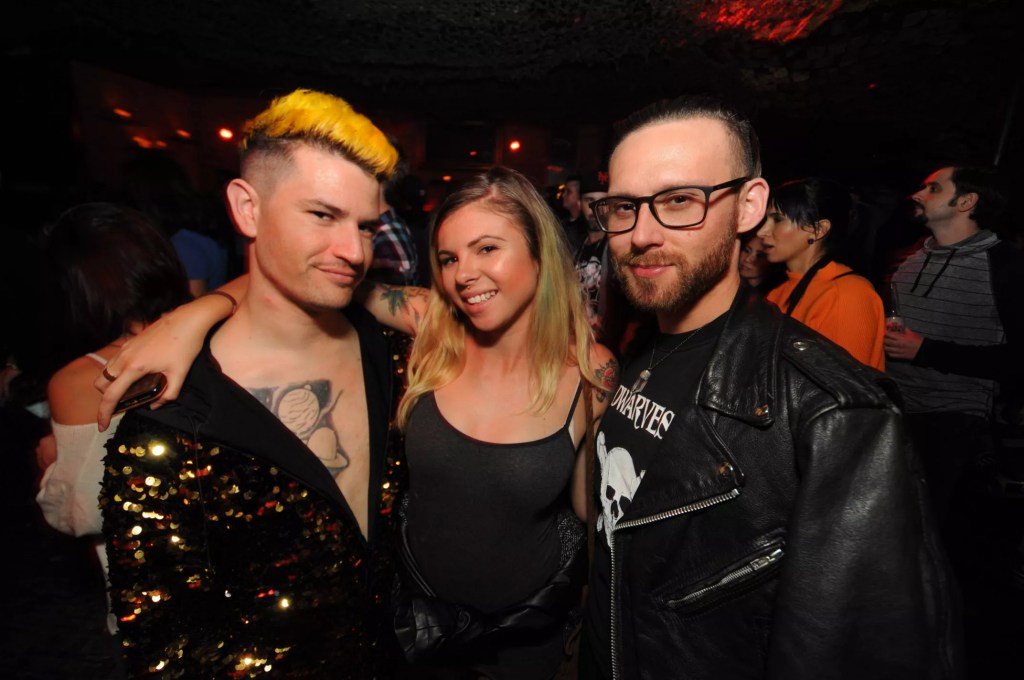
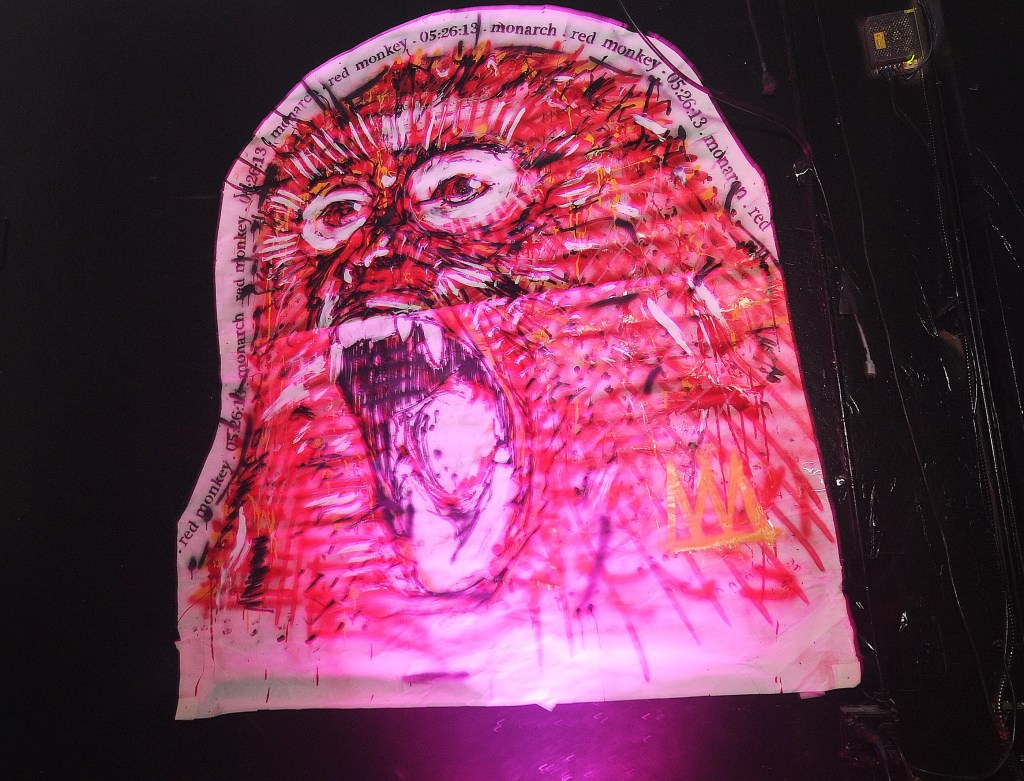
In the meantime, here’s a look back at RedMonkey’s history through photos dating to the ’90s.
RedMonkey photos from the ’90s and 2000s
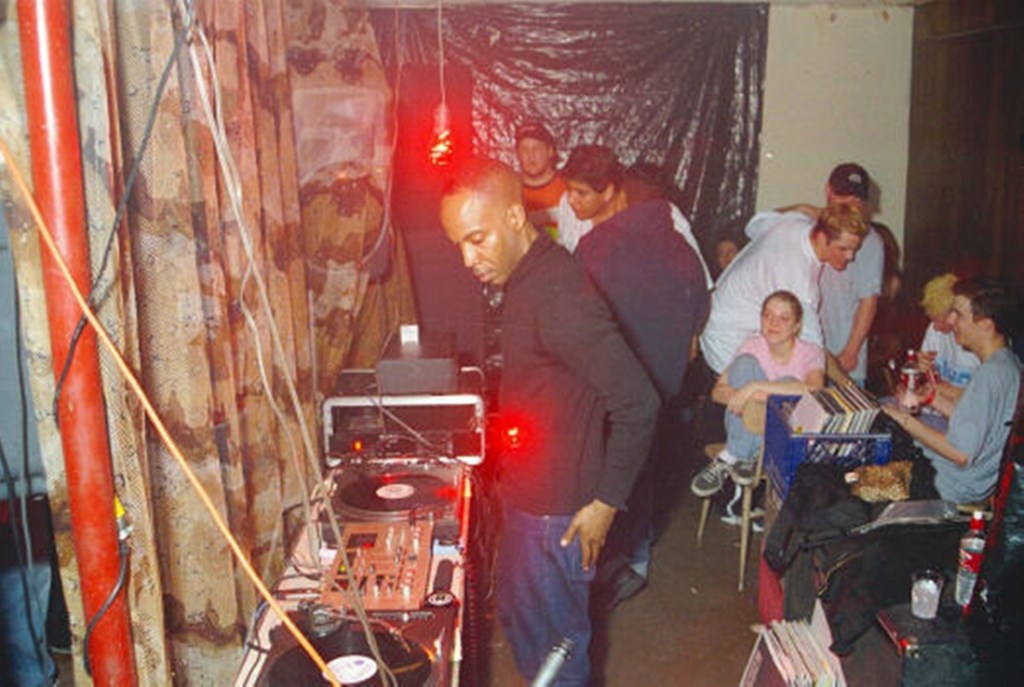

Melissa Menzinger
Benjamin Leatherman
Melissa Menzinger
Benjamin Leatherman
Benjamin Leatherman
