
Devra/CC BY 2.0/Flickr Creative Commons

Audio By Carbonatix
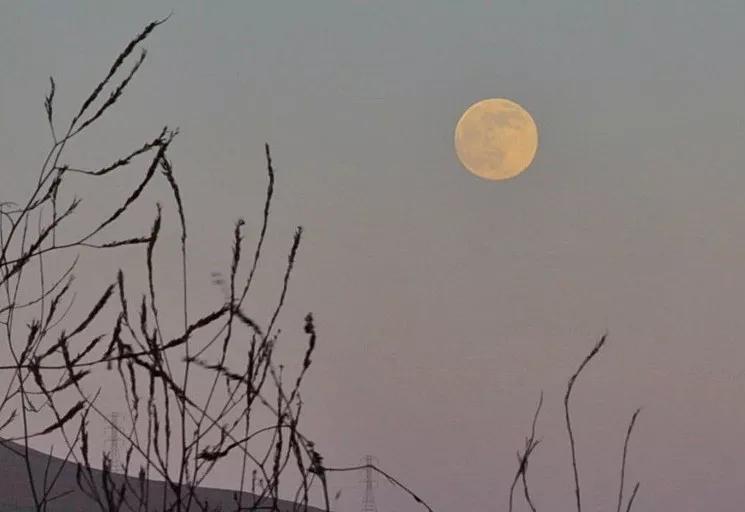
The first full moon of summer occurs on Monday night when the Strawberry Moon rises over Arizona.
This month’s biggest lunar event is also a special for another reason. June’s full moon is also a micromoon, meaning the moon will appear slightly smaller than normal.
Here’s when to see June’s full moon in Arizona, why it’s called the Strawberry Moon and why it’s special.
When is the next full moon in Arizona?
The next full moon occurs on the evening of Monday, June 29, when June’s strawberry moon rises shortly after sunset.
What time is the full moon tonight?
In Arizona, moonrise on Monday is 7:58 p.m., according to Time and Date. June’s full moon will appear low in the eastern/southeastern sky shortly after sunset before moving higher and farther south as the night goes on. The moon will set at 5:42 a.m. Tuesday.
Why is June’s moon called a Strawberry Moon?
June’s full moon gets its nickname from seasonal names used by several Indigenous peoples, including the Algonquin, Ojibwe, Dakota and Lakota. The moniker also ties into the short strawberry harvest that typically occurs in June. In Europe, this month’s full moon is also called the Honey Moon or Mead Moon, owing to June’s long association with weddings.
Why June’s full moon is special this year
June’s full moon is unique for a couple of reasons. It occurs right after the recent summer solstice and will be unusually low across the sky in the Northern Hemisphere. June’s moon will be the lowest in decades, according to the website EarthSky, and won’t go higher than 29 degrees above the horizon.
Where’s the best spot to see the full moon?
It’s also a micromoon, meaning the full moon is occurring near apogee, or the farthest point in its orbit from Earth. As a result, it may appear slightly smaller and dimmer than an average full moon.
Pretty much anywhere with an unobstructed view of the eastern or southeastern horizon should allow for ideal viewing. The lower the eastern horizon, the better view you’ll have.
What will viewing conditions be like?
As of now, skies are forecasted to be mostly clear on Monday evening. That being said, summer weather in Arizona is often prone to change, particularly during the monsoon season.
When are the full moons in 2026?
The remaining full moons of 2026 happen on July 29, Aug. 28, Sept. 26, Oct. 26, Nov. 24 and Dec. 23.